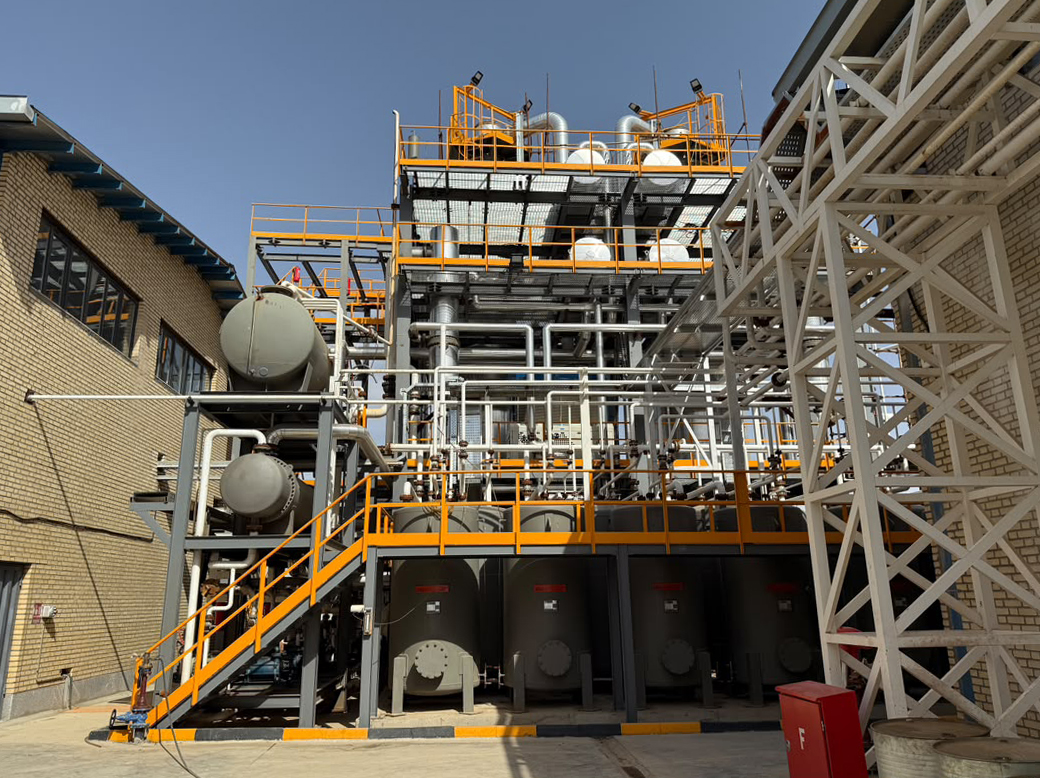
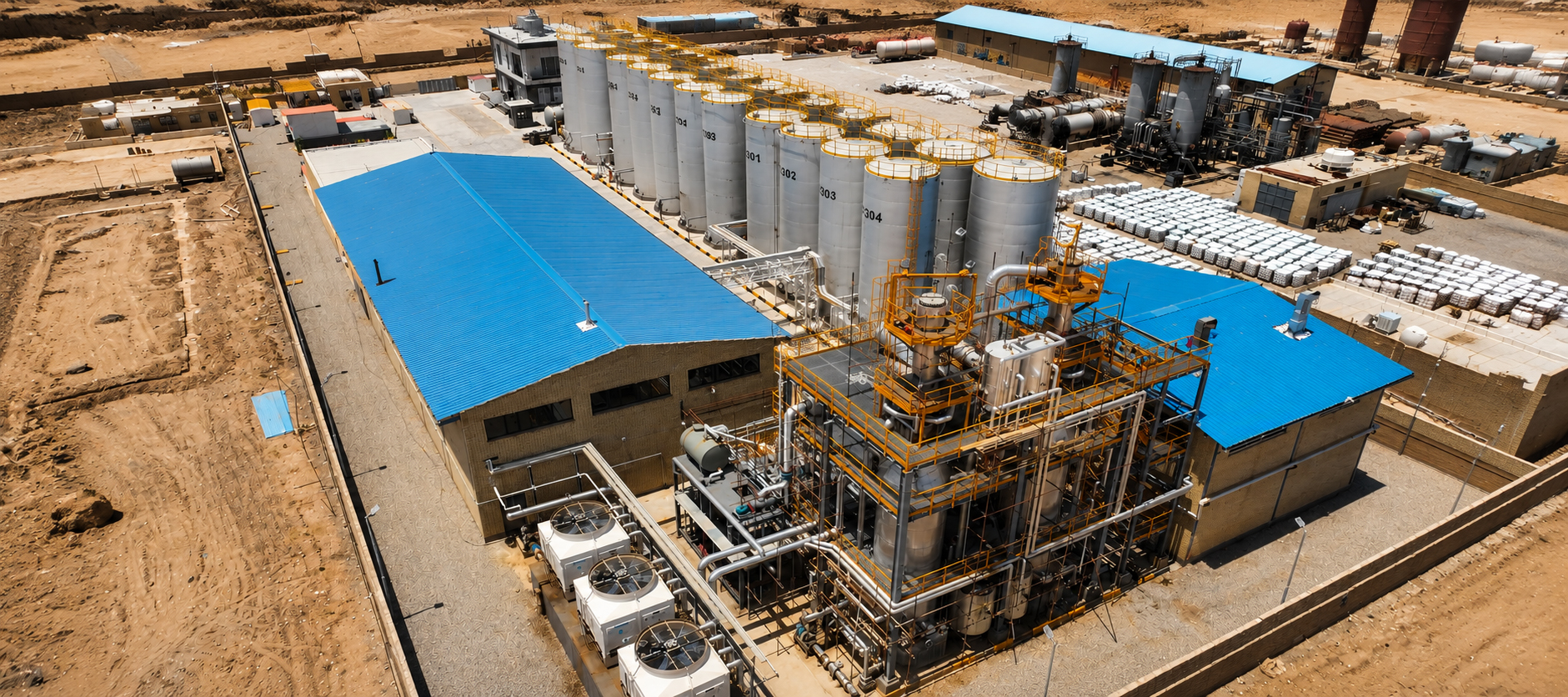
Refined hydrocarbons do not move along a single highway. They move along a set of distinct trade lanes, each with its own rhythm, its own preferred packaging, and its own paperwork. This is the field guide we wish we had been handed on day one — how the lanes we serve actually work, and what each one expects from a supplier.
01 Demand profile
The downstream demand for refined hydrocarbons in our markets falls into four broad buckets: lubricant blending (recycled base oils), paint and resin solvents (light hydrocarbons), industrial fuel and thermal applications (heavy hydrocarbons), and bituminous products for construction and roofing (Vacuum Distillation Residue).
Different lanes weight these buckets differently. The lane decides the packaging, the lane decides the documentation, and to a real extent the lane decides which grade leaves the refinery first.
02 The Middle East corridor
UAE & the Gulf Trading hub
The UAE serves as our primary trading hub. Cargo flow tends to be a mix of premium white spirit grades destined onward into Europe and parts of Asia, plus heavy hydrocarbons for regional industrial fuel users. Buyers here expect crisp documentation and Free-On-Board / Cost-and-Freight clarity in the contract.
03 South Asia
India Distribution
India is a base-oil-hungry market. Lubricant blenders take SN150 and SN300 by the tanker-load, with a steady undercurrent of white spirit demand for the paints and adhesives industries. Documentation discipline is high here — Certificate of Origin and detailed COA are routinely audited at port.
Pakistan & Afghanistan Heavy fuel
This lane is dominated by heavy hydrocarbon grades for industrial fuel use, boilers and thermal applications. Specifications are pragmatic — the buyer typically cares more about consistent calorific value than tight sulfur ceilings. Cross-border road transport adds an extra layer of ADR documentation.
04 Africa & Central Asia
Africa Volume
Our African flow is largely the economical white spirit grade and heavy hydrocarbons, supporting general industrial solvent demand, adhesive manufacturing and basic fuel blending. Buyers in this lane appreciate volume-competitive pricing and packaging flexibility — drums and flexi tanks see a lot of traffic.
Central Asia Land lane
A growing lane for our economical white spirit and recycled base oil grades, with cross-border road transport into the CIS markets. ADR compliance and accurate language-aware labelling matter here more than they do on sea routes.
05 Turkey & Europe
Turkey Partner network
Turkey functions as both a destination market and a partner network for onward flow into Europe. The buyer base here is sensitive to specification tightness — low-sulfur premium white spirit grades dominate this corridor. COA precision is non-negotiable.
Europe (onward) Premium
Cargo destined for Europe rides on the back of our premium white spirit production. Buyers expect EU-compatible MSDS, full COA traceability and confidence that the supply chain is fully sanctions-clean and contract-clean.
06 Packaging by lane, at a glance
The same physical product can leave the refinery in any of five formats, each tuned to a different lane:
- Bulk — road tankers (24–25 MT), vessels and port terminals. Best for high-volume destinations.
- ISO tank — standard stainless-steel containers. Premium grades destined for Europe and Turkey.
- Flexi tank — disposable polymer bags for cost-effective export, common into India and Africa.
- IBC — 1000-litre intermediate bulk containers, approximately 850 kg net. Good for mid-volume buyers.
- Drum — 208-litre steel drums, approximately 180 kg net. The retail and partial-load workhorse.
07 Documentation, end to end
Every shipment leaves our gate with the same standard documentation set, regardless of lane:
- COA — Certificate of Analysis for the specific batch, against the agreed specification.
- MSDS — Material Safety Data Sheet, in the relevant language where required.
- COO — Certificate of Origin.
- IMDG declarations for sea transport where the product is classed as hazardous.
- ADR declarations for road transport, where the lane is overland.
That packet is what gets a container through customs, and what gets a tanker driver across a border without an unscheduled three-day delay.
If you are a new buyer in any of these lanes, ask for the COA, MSDS and COO sample pack before you place the first order. We send them as a matter of course. Contact us and we will route the request to the right desk.
08 The shape of supply
Lima Petro Refinery is anchored by production in Iran, with trading offices and partner networks in the UAE, India and Turkey. That structure is not a brand line — it is the operational shape that lets us answer enquiries from buyers across the Middle East, South Asia, Africa and Europe within the same business day, in the language and the documentation format the lane expects.
If you are working out which grade fits which destination, this guide is the starting point. The actual specifications, the packaging and the contract terms are always tailored from there. The lane decides what is reasonable. The buyer decides what is required. We bridge the two.
Looking at a specific lane?
Send the destination country, the product family and the volume you have in mind. We will reply with availability, packaging options and indicative pricing.